.svg)



Of the roughly 1,000 contracts the team handled in 2025, 84 needed detailed legal review. The rest were standard agreements or routine renewals—not simple enough to sign blind, but also not urgent enough to justify pulling in legal every time.
For twenty years, those contracts were managed by one veteran employee, using an intricate, undocumented folder system he'd built to keep track of it all. With no central ledger, verifying something as basic as whether a font license already covered a new use case meant digging through that archive and hoping the answer was in there. The team sought to eliminate reliance on individual expertise and turn knowledge into a shared team asset.
That mattered most when SEGA revisited an old game—a remake or remaster—and needed to confirm whether the original font or middleware license already covered it. Without proof, the safe move was to negotiate a brand-new agreement, even if the old one technically still held up.
Most negotiators weren't legal specialists, so judging whether a clause held up under current law wasn't always straightforward, and looping in Legal for every judgment call wasn't realistic
SEGA brought in LegalOn's AI Contract Review platform in October 2025 with one goal: separate what the team knew from where the team's knowledge lived. The team uploads drafts alongside signed contracts and uses LegalOn to see exactly what changed at each stage of a negotiation.
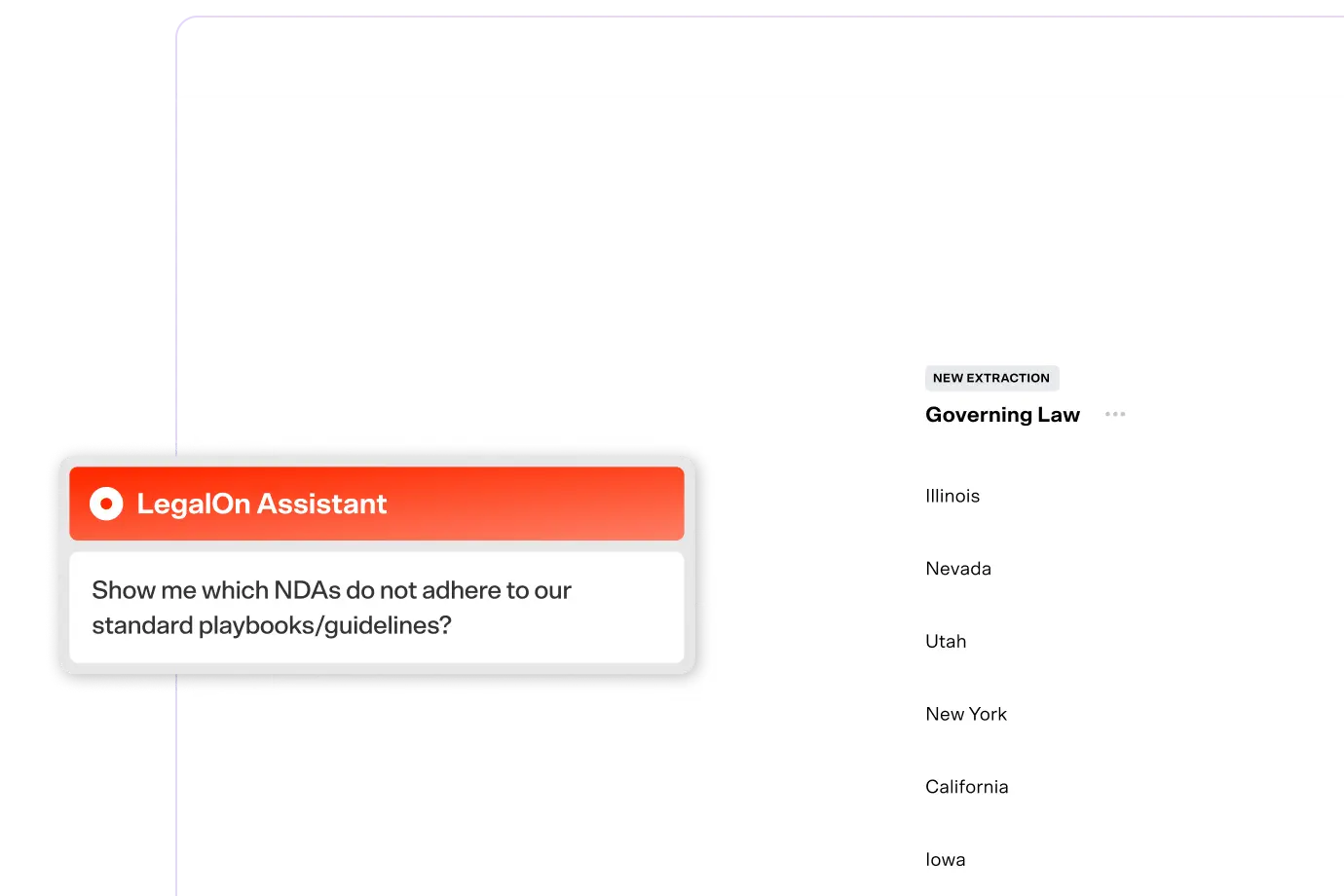
After testing the beta version of the LegalOn AI Assistant and finding it reliably organized rights and obligations, SEGA added it to build review summaries and support legal research. Its Web Search function is especially useful for vendor evaluations. The team asks the Assistant to summarize a contract’s overview, flag points worth watching in corporate agreements, or compare available plans. That upfront clarity has noticeably sped up SEGA’s vendor evaluation process.
The team also prioritizes use of LegalOn’s Prompt Library, rather than building their own, allowing them to gain experience and grow their skills.
Rather than migrate every historical document at once, they prioritized active and important agreements, uploading roughly 500 contracts to start—enough to make the platform useful immediately without stalling the rollout.
Since adopting LegalOn, SEGA has seen measurable gains:
"Drafting a contract used to feel like something only legal did. Now that the barrier's lower, some team members have started thinking, 'maybe I could draft this one myself' then begin working from stored references instead of a blank page." — Yukie Hisadomi, Manager of Development IT Support Department
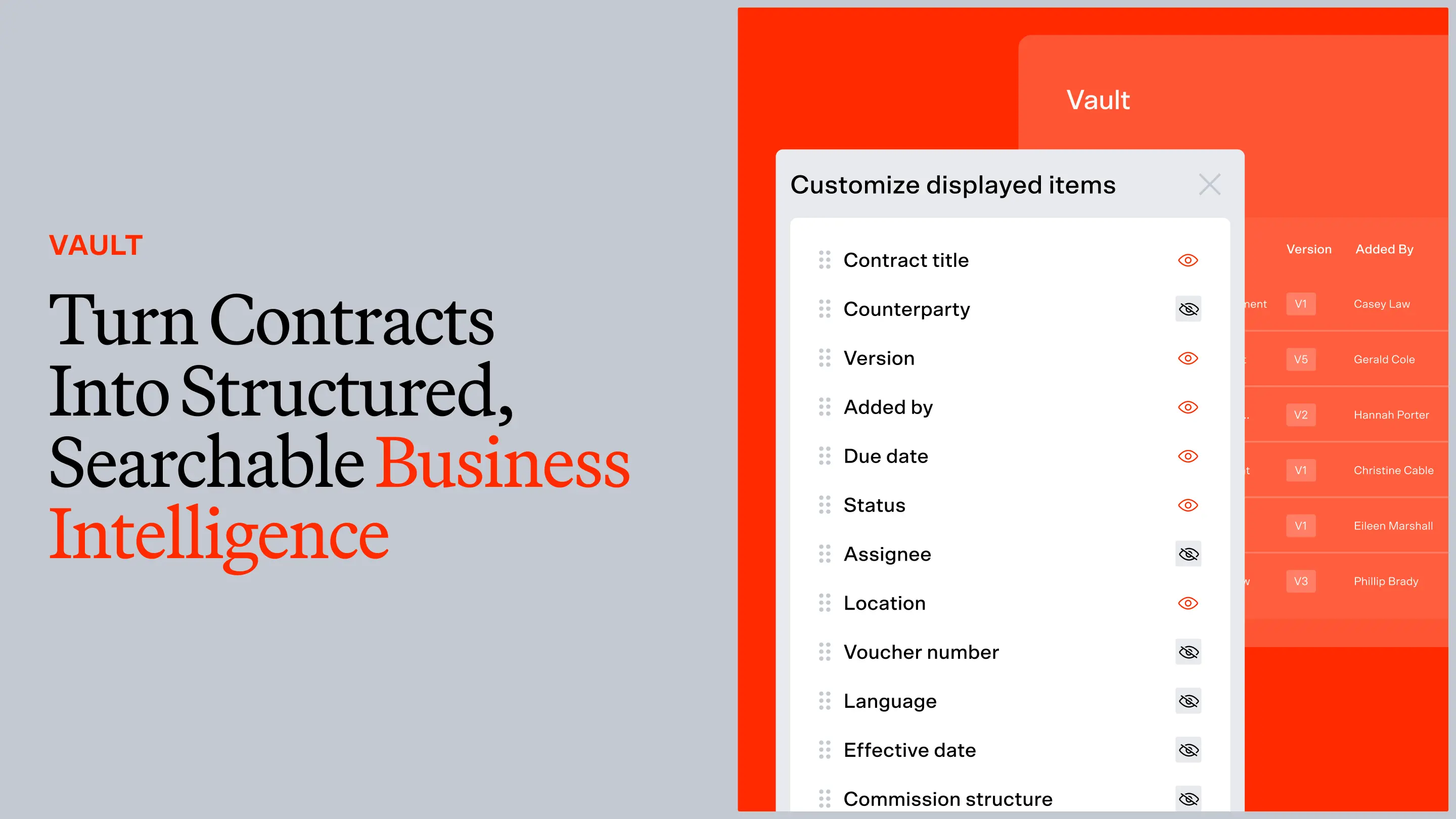
Before LegalOn, one employee's two decades of undocumented expertise was the entire system — useful only as long as that person stayed. LegalOn turned scattered files into shared, searchable evidence: proof a license already covers a remake, a record of past negotiations, a reference draft for newer staff. What one person used to carry alone, the whole team now shares.
Ms. Hisadomi wants to build a team where new members feel comfortable asking questions, using the LegalOn Assistant as a first stop before matters reach Legal. Long-term, she hopes to turn her predecessor's 20 years of expertise into prompts the whole team can use. She sees the same value for any team negotiating terms before legal review, especially those with less contract experience.
Ready to do more with the team you have? Book a demo to see how LegalOn helps in-house teams work faster without adding headcount.








.webp)

